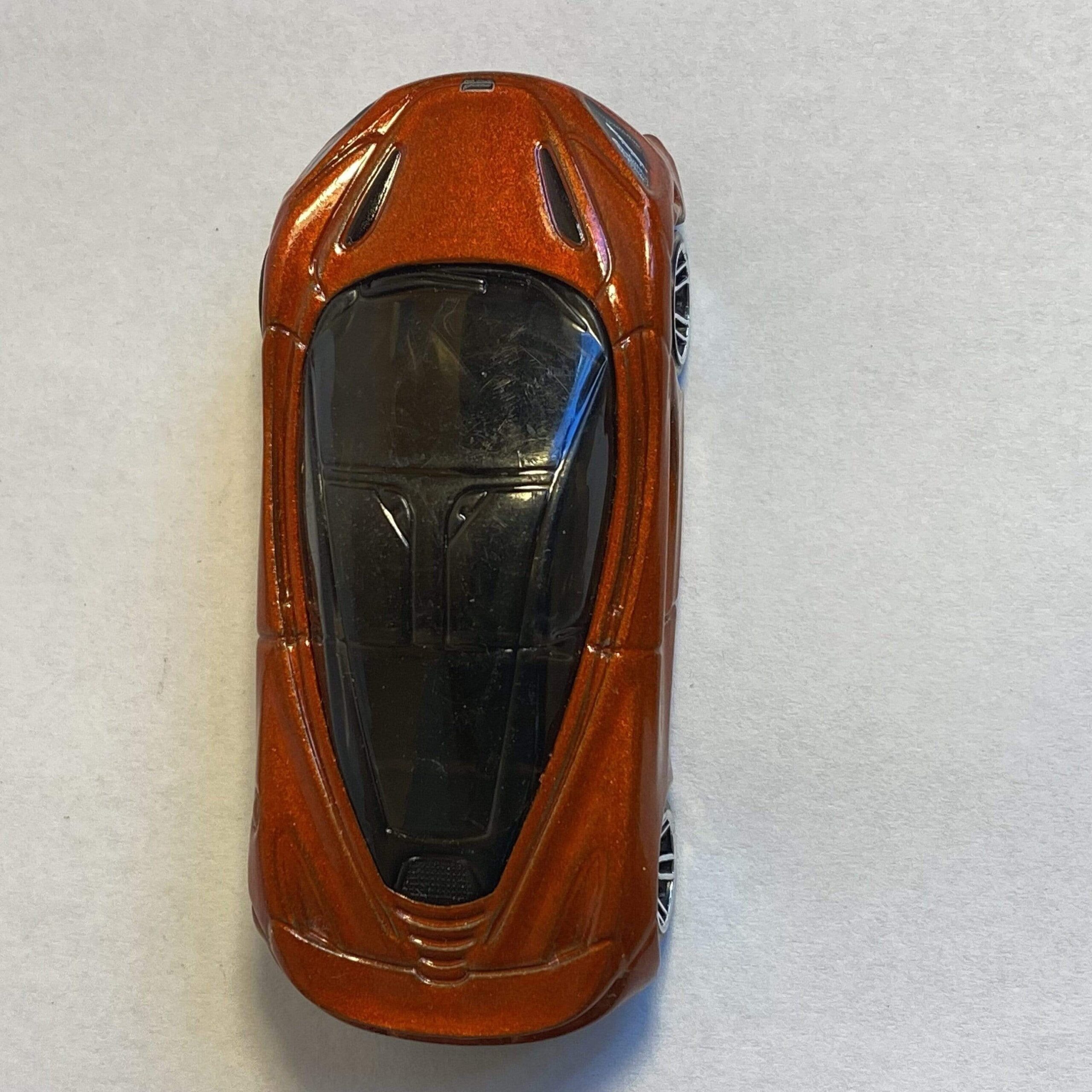
A good loose-car photograph gives you evidence, but it does not answer every question about the purchase. The most useful inspection is a deliberate pass around the car: confirm what the pictures represent, examine each visible area, then ask about anything important that remains out of view.
This method works with a phone screen or a larger display. Zoom for detail, then return to the full photograph so you do not lose track of which side or surface you are examining.
Shopping disclosure: Loose Hot Wheels and Muncle Mikes share ownership. Amazon links are paid links. As an Amazon Associate I earn from qualifying purchases.
First ask: is this the actual unit?
Find the seller’s statement about the photographs before judging condition. An individual-car listing can document the specific unit offered. A listing with several units may use one example to show the casting and decoration. The same images cannot establish identical wear across every available car.
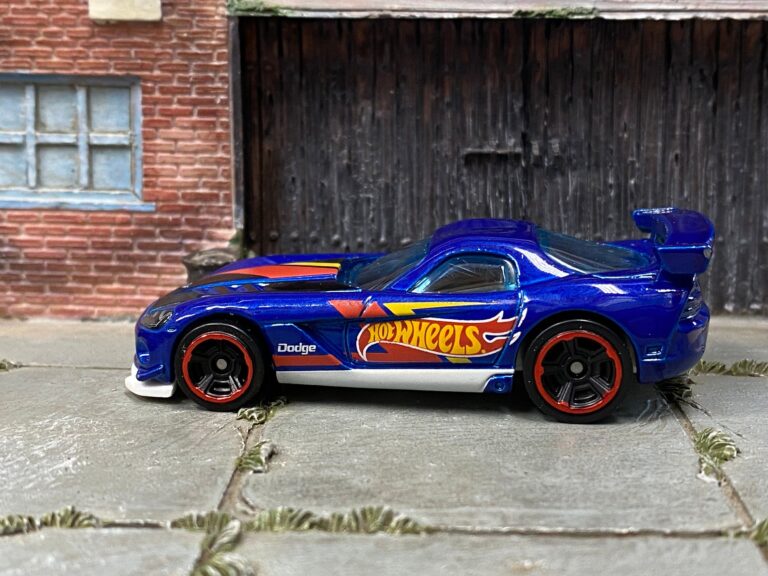
For example, the blue Viper SRT10 ACR listing at Muncle Mikes says multiple units can share the photographs. The illustrated example has glazing scratches and small areas of wheel-finish wear. Those are reasons to ask about the current unit, rather than assuming either flawless condition or precisely matching marks.
Make one pass for identity
Before hunting for chips, compare the title with the whole car. Look for the casting shape, body color, major graphics and wheel appearance. A title containing several colors can describe one decorated car. It does not necessarily offer a choice of separate color variants.
Check whether the photograph and description agree. If one shows a different decoration, ask which version is supplied. Avoid deciding release year, rarity or originality from a familiar-looking color alone. Save those questions for evidence that actually addresses them.
Then make a separate pass for condition
Side views: edges, graphics and wheel faces
Use both sides when available. Follow the roofline, door edges, wheel arches and lower body. Look at the large graphics first, then the small areas where a mark might interrupt a stripe or number. Compare each wheel face with the others without assuming a difference is damage; lighting or the casting’s intended design can explain some differences.
Keep observations specific. “A small bright spot near the rear wheel arch” is a better question than “Is the paint perfect?” The seller can identify the area you mean and answer more directly.
Overhead view: glazing, roof and hood
The top view often shows surfaces that side photographs miss. Check the windshield, roof, hood decoration and rear window. Consider your planned display angle: wear in these areas may be prominent on a desk where you look down on the car.
The orange McLaren 720S listing explicitly describes scratches across the windshield. That condition note matters more than the upbeat “Factory Fresh” series name. Read named series and condition language as separate information.
Front and rear: shape and alignment
Look for a clear view of the nose and tail, including spoilers, bumpers and other exposed shapes. Compare the car’s apparent stance. An angled camera or uneven backdrop can make a wheel look tilted, so a photograph alone may not settle whether an axle is bent.
If rolling behavior matters, ask the seller to describe it. A still photograph cannot demonstrate that all wheels turn freely or that the car runs straight.
Underside: markings and assembly
A base photograph can help connect the car to a casting name and show the markings present. Transcribe visible text accurately. A copyright date is not automatically the release date of the particular decorated example.
Look for the seller’s explanation of any modifications. If originality matters, ask directly whether the car has been opened, repainted or had wheels changed. Do not diagnose a modification solely from a poorly lit fastener photograph.
Separate an observation from a conclusion
A white streak might be a reflection, a scratch or something resting on the surface. A dark area may be shadow. Your job as the buyer is to identify uncertainty, not force a conclusion from an ambiguous image.
Request another angle or closer picture when the distinction affects the purchase. Ask about the mark’s location, whether it is visible under ordinary light and whether it appears on the unit that will be shipped. A straightforward answer can be more useful than several additional distant photographs.
Keep a short question list
- Will I receive the photographed unit or another example?
- Can you show the area or angle missing from the listing?
- Are there visible marks not captured clearly in these photographs?
- Has the car been modified, and what is included with it?
- If relevant, how does it roll when checked?
Ask only the questions that matter to your choice. Then compare the reply with your priorities rather than expecting every affordable loose car to satisfy a packaging collector’s standards.
Apply the photo checks to a Viper comparison
The Viper mentioned above offers a useful exercise. The MM listing identifies the blue Dodge Viper SRT10 ACR with black hood panels, bright side graphics and orange rim rings. The verified Amazon product page is also for a Hot Wheels Dodge Viper SRT10 ACR. That establishes a common casting for the comparison.
Retailer links: Loose Hot Wheels and Muncle Mikes share ownership. The Amazon card is a paid link. As an Amazon Associate I earn from qualifying purchases.
SHOP THIS CASTING
Dodge Viper SRT10 ACR
Review the selected seller’s photos, included packaging, condition and current offer.
MUNCLE MIKES · OUR STORE
Hot Wheels Dodge Viper SRT10 ACR — Blue with Racing Graphics, Loose
This card uses the exact MM product listing and its source photograph. Confirm the selected unit’s condition and included contents on the listing.
View this car at MMAMAZON · PAID LINK
Same casting reviewed
Hot Wheels Dodge Viper SRT10 ACR
Amazon identifies Then and Now 9/10. Same casting verified; current Amazon color, packaging and condition must be checked and are not claimed identical to the MM loose unit.
Listing identity checked 2026-10-23. Price, stock and seller terms are confirmed on Amazon.
View this casting on AmazonPaid link. As an Amazon Associate I earn from qualifying purchases.
Loose Hot Wheels and Muncle Mikes share ownership. Amazon links are paid links. As an Amazon Associate I earn from qualifying purchases. How our links and comparisons work.
Start again with identity when you open the Amazon page. Its title alone does not establish the blue MM decoration. Compare the color, side logos, hood treatment and wheels in the Amazon offer’s photographs. Then make a separate pass for condition and establish whether those pictures represent the selected unit or illustrate a product shared by several offers.
The scratches and wheel-finish wear described by MM belong to its illustrated example. Carrying those observations across to another retailer would produce an inaccurate condition comparison. Ask about each available unit separately, then use the complete buying checklist to confirm contents and delivered cost.
Questions about photo inspection
Can photos prove a car is mint?
No. They document visible areas under particular lighting. Read the condition description and resolve important gaps with the seller.
What if there is no underside photograph?
Ask for one if the base information or assembly matters to you. Do not infer the unseen details from another seller’s car.
Sources and limitations
The McLaren and Viper examples come from their linked Muncle Mikes listings. The Amazon Viper SRT10 ACR product page (paid link) was checked for casting identity on October 23, 2026. This article explains how to read listing evidence; we have not physically inspected those cars. Product photographs and descriptions cannot settle details outside their coverage.